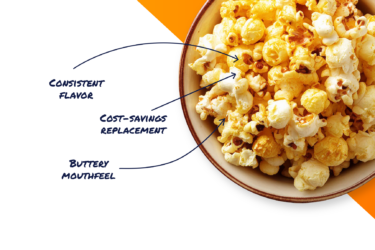
Butter Concentrates: A Solution for Rising Butter Costs
Agile Kitchen, Dairy Ingredients
At the time of this writing (June 2024), butter prices are rallying.
Bluegrass Ingredients On-site Hiring Event | March 19 | Glasgow, KY.
Move over, MSG and high-fructose corn syrup. There’s a new villain ingredient prompting shoppers to rethink their grocery lists and restaurant orders – seed oils.
Seed oils are extracted from plants. There are several common seed oils used in commercial and home cooking: canola, soybean, safflower, corn, cottonseed, grapeseed, rice bran and peanut oils.

The criticism of these oils comes from allegations that these ingredients have an outsized negative effect on our health, prompting some consumers to switch from seed oils to other fats such as butter, olive oil or beef tallow.
Seed oil criticisms are more likely to come from Make America Healthy Again regulators and influencers than from nutritionists or public health experts. Many organizations, from the American Heart Association to Stanford Medicine have pushed back on claims on the benefits of removing seed oils from diets.
Nevertheless, many consumers are seeking seed oil alternatives, and food manufacturers have taken notice.
The search for seed oils among consumers has added another category to the reformulation push currently disrupting the industry. It reflects a broader demand from consumers for greater transparency and simplicity around the foods they choose to eat, with less reliance on processed and hard-to-pronounce ingredients.
For food manufacturers, meeting the growing demand for products free from seed oils is a clear opportunity. Yet without specific regulations, food manufacturers are left to pursue costly reformulations without a clear benchmark.
Per a recent Food Navigator USA article:
“Companies race to meet shifting policy signals without formal rulemaking, raising concerns that costly changes could be reversed by future administrations.”

As food manufacturers look to reformulate away from seed oils (and a host of other trending topics driving ingredient updates), here are a few elements to keep in mind.
Take a wide view of products. Often, health-driven reformulations tend to focus on conventionally healthy products and categories. That’s not the case with seed oils, where fast food chains and products like French fries (fried in beef tallow) are spotlight examples of changes being made.
Select the right replacement. In some cases, an animal fat like butter or beef tallow will best match application needs and consumer demands. In other instances, something like olive oil, palm oil or coconut oil may be better suited.
Communicate the change. Increasingly, these reformulations warrant a larger splash on packaging and other consumer touchpoints. Shoppers and diners are actively seeking out products free from seed oils. The food manufacturers that find success will make that change easy to identify in their products.

Bluegrass Ingredients partners with food manufacturers every day to navigate shifting regulations and consumer expectations, helping them to reformulate and develop products that drive their businesses forward. We offer a wide range of ingredient solutions and seed-free-oil powders and non-dairy creamers, including coconut and palm oil formulations.
Our wide range of ingredient solutions, combined with our culinary and R&D expertise and the deep trust customers place in us, give us a unique perspective and approach to meet this emerging demand.